
Top Crypto Casinos: Where Blockchain Bets Meet Instant Payouts
What if your online casino transactions were instantly settled, transparent, and free from bank delays? A Crypto casino operates solely on blockchain technology, using cryptocurrencies like Bitcoin or Ethereum for deposits, wagers, and withdrawals. This means you bypass traditional payment processors, enjoying direct peer-to-peer transfers where your privacy and transaction speed are inherently prioritized. To use one, you simply create an account, fund it with crypto from your digital wallet, and start playing games with provably fair outcomes recorded on the ledger.

Navigating Digital Wagering Platforms

Jumping into a crypto casino means learning its unique navigation. Most platforms use a sidebar or bottom menu to separate “Slots,” “Live Dealers,” and “Sports.” Always check the game provider filter to find trusted titles like Pragmatic Play or Hacksaw. A common question is: “How do I switch between wallets for different games?” Usually, a dropdown icon near your balance lets you select BTC, ETH, or USDT, but some games only accept specific tokens—so verify before you spin. Also, the “Provably Fair” verification tab isn’t just decoration; look for it in the game history to independently check each bet’s outcome. Stick to the icons you recognize and avoid random pop-ups claiming bonuses.
What Sets Blockchain-Based Gambling Apart
Blockchain-based gambling fundamentally rewrites the trust equation by placing provable fairness directly in the player’s hands. Unlike traditional platforms where a house algorithm remains a black box, every shuffle, spin, or deal here is cryptographically verifiable on the ledger. You can independently confirm outcomes using open-source verification tools, eliminating doubt about rigged mechanics. This transparency extends to instant, automated payouts via smart contracts—no manual approvals, no pending withdrawals. What truly separates this experience is the sovereignty it grants: your funds move only when a verified condition is met, not when a casino operator decides. For the user, this transforms wagering from an act of faith into a direct, auditable interaction with the game’s logic itself.
Licensing and Regulatory Considerations for 2025
For 2025, you’ll want to prioritize platforms with a fully verifiable license from a recognized jurisdiction, as this directly impacts your fund security. Before depositing, check if the license is current and explicitly covers crypto operations, not just fiat. Look for proof of regulatory compliance on the site’s footer, including a license number you can cross-reference on the regulator’s own site. Also, confirm the rules around anonymous play—some licenses may demand KYC for withdrawals in 2025, affecting your privacy.
- Verify the license number on the official regulatory database before you sign up.
- Ensure the license explicitly permits cryptocurrency wagering, not just traditional currency.
- Check the jurisdiction’s stance on anonymous accounts for 2025 to avoid surprises at payout.
- Check the SHA-512 hash of the server seed before betting, then verify the actual seed afterward.
- Adjust your client seed and nonce each session to reset the randomness chain.
- Confirm the outcome formula matches the casino’s published, auditable source code.
- Test deposit speed with a small amount before committing larger sums.
- Review terms for maximum withdrawal caps and daily limits.
- Ensure the site processes withdrawals automatically, not manually.
- Select a live event from the sportsbook interface.
- View the changing odds, which shift with each goal or point.
- Lock in a bet when you spot value, using your crypto wallet for a near-instant settlement.
- Frequently depositing more crypto immediately after a loss
- Spending longer sessions without noticing time passing
- Feeling a rush only when risking larger amounts
Core Mechanics of Provably Fair Gaming
In a crypto casino, provably fair gaming relies on a cryptographic hash function to pre-commit a server seed before any bet. You receive a client seed you can change, which is combined with the server seed and a nonce to generate the round’s outcome. After the result, you access the server seed and verify the hash matches the original commitment, ensuring no manipulation occurred. This process guarantees the casino cannot alter results retroactively. Q: How do I verify a bet? A: Use the casino’s verification tool with your client seed, the revealed server seed, and the nonce—the tool hashes them and compares it to the pre-committed hash, confirming fairness.
How Smart Contracts Ensure Transparent Outcomes
In a crypto casino, smart contracts function as immutable, self-executing agreements that guarantee transparent outcomes. Every game round’s logic, from card shuffling to dice rolls, is encoded directly on the blockchain. This eliminates human manipulation, as the contract automatically enforces the rules and disburses winnings without a middleman. Players can independently verify the result on a public ledger, confirming it matches the provable fair algorithm. This architecture ensures unquestionable integrity, making it impossible for operators to alter probabilities post-bet. The result is a trustless environment where the code itself acts as the unbiased referee, delivering outcomes that are mathematically verifiable by anyone at any time.
Verifying Game Integrity Without Third Parties
To verify game integrity without third parties, you leverage cryptographic hash functions to pre-commit the server’s secret seed before any round begins. After the round, the client combines your own client seed and nonce with this hashed server seed, then uses an open-source algorithm to compute the outcome. This process allows you, in real-time, Power Casino join to confirm that the result wasn’t altered post-fact. Client-seed manipulation is your primary lever for control; changing your seed regularly ensures you aren’t playing against a precomputed sequence.
Selecting a Reliable Wagering Site
When selecting a reliable wagering site for a Crypto casino, prioritize platforms offering provably fair algorithms. This cryptographic tool lets you instantly verify each bet’s outcome, eliminating trust in a faceless operator. Scrutinize the withdrawal speed for crypto—top sites process requests under 30 minutes, often with zero fees.
A site that hides its game logic behind a black box is a site that can rig the odds against you.
Finally, check if the casino supports multi-signature wallets for deposits; this adds a layer of security, ensuring your funds aren’t tied to a single point of failure. A fast, transparent payout system is your ultimate badge of reliability.
Key Security Features to Examine First
When evaluating a crypto casino, first examine provably fair verification tools. Check that each bet’s hash is publicly accessible before the result, allowing independent confirmation via a third-party script. Next, confirm that private keys stay solely with the user, never held or managed by the platform—this prevents unauthorized withdrawals. Also inspect the site’s use of multisignature wallets for cold storage, as single-key wallets are a common attack vector. Verify that all communication between your device and the server uses TLS 1.2 or higher, visible via the padlock icon, to block data interception.
Evaluating Deposit Speed and Withdrawal Policies
When selecting a crypto casino, prioritize platforms offering near-instant deposits, as blockchain efficiency typically confirms transactions within seconds. Scrutinize withdrawal policies for playthrough requirements that can trap funds; zero-confirmation withdrawals indicate a site respects your time. Verify that limits align with your bankroll and that KYC is completed upfront to avoid delays during cash-outs.
User Reviews and Community Reputation Checks
When picking a crypto casino, don’t just trust the flashy homepage—dig into community reputation checks on forums like Reddit or Telegram. Real user reviews often reveal hidden issues like delayed withdrawals or rigged games. Look for patterns: a single complaint might be nothing, but multiple users reporting the same problem is a red flag. Check dates too, as a site can change overnight. A casino with consistent praise from long-term players usually has a solid reputation.
Payment Methods and Digital Asset Handling
Crypto casinos let you deposit and withdraw using Bitcoin, Ethereum, or stablecoins like USDT, often with near-instant transaction speeds. Your digital assets are typically held in a casino-generated wallet, so you’ll need to copy the correct deposit address and ensure the right blockchain network is selected to avoid lost funds. Withdrawals usually process in minutes, though some platforms require wagering turnover before you can cash out. One nuanced tip: always double-check the minimum withdrawal threshold, as smaller balances can get stuck if they fall below the limit. For security, enable two-factor authentication on your casino account and never share your private keys. Most platforms also support direct crypto-to-crypto conversion, letting you switch between assets instantly within the casino without leaving the site.
Supported Currencies Beyond Bitcoin and Ethereum
Beyond the big two, crypto casinos often welcome a playful mix of altcoins for your deposits and withdrawals. You’ll commonly find Litecoin praised for its faster confirmations, alongside Ripple for minimal fees and Dogecoin for a laid-back vibe. Tether (USDT) is a staple for players wanting price stability at the tables. For privacy-focused gamers, Monero provides untraceable wagering. Always check the payout minimums, as supported altcoins can improve transaction speed drastically, letting you jump into games or cash out your winnings without the wait times tied to Bitcoin.
Understanding Transaction Fees and Confirmation Times
Transaction fees in a crypto casino are what you pay miners or validators to process your deposit or withdrawal. These fees directly impact your net gambling budget, so it pays to understand them. They aren’t set by the casino but by the blockchain’s traffic; during busy periods on Ethereum or Bitcoin, fees can spike. Check the current network congestion before hitting confirm. Confirmation times also vary—Bitcoin might take minutes, while Solana or Litecoin confirm in seconds. For fast gameplay, choose a low-fee, high-speed coin. Always review the minimum confirmation count the casino requires to avoid frustrating delays.
Privacy Benefits of Using Decentralized Wallets
Decentralized wallets shield your crypto casino activity behind a sovereign identity that requires no personal data submission. Unlike custodial platforms that log deposits and withdrawals, these wallets let you deposit funds directly from your private keys without sharing an email or ID. Every transaction remains a pseudonymous blockchain entry, untethered from your real-world persona. You control when to reveal your wallet address, preventing casinos from tracking your betting patterns across sessions. This zero-trust architecture ensures your gambling history stays yours alone, free from third-party surveillance or account freezing based on behavior analysis.
Popular Games and Betting Options
Crypto casinos elevate classic popular games by integrating provably fair mechanics, ensuring every dice roll or card draw is verifiable. Betting options extend from swift, high-stakes crash games, where you cash out before a multiplier bursts, to immersive live dealer blackjack with instant crypto payouts. The defining edge is the transparency of every wager, allowing you to audit outcomes for fairness. For slots, leverage Bitcoin’s speed to spin thousands of rounds on high-volatility slots without withdrawal delays. Sportsbook fans find extensive crypto prop bets and real-time in-play lines, often with reduced house edges compared to fiat bookmakers. Your bankroll stays 100% yours, with no fiat conversion friction between betting options.
Live Dealer Experiences Enhanced by Token Integration
In crypto casinos, token integration transforms live dealer tables by enabling instant, gas-fee-free wagers using your own digital assets. Real-time chat recognition of your token holdings unlocks exclusive side bets or enhanced payout multipliers on blackjack and roulette. Your wallet’s native token might even trigger custom visual effects on the stream, making every hand feel personalized. This seamless, on-chain interactivity creates provably fair live dealer rounds where every shuffle and spin is verifiable without leaving the game window.
Token integration turns passive viewing into an interactive, verifiable betting ecosystem where your crypto wallet controls stakes, bonuses, and in-game effects in real-time.
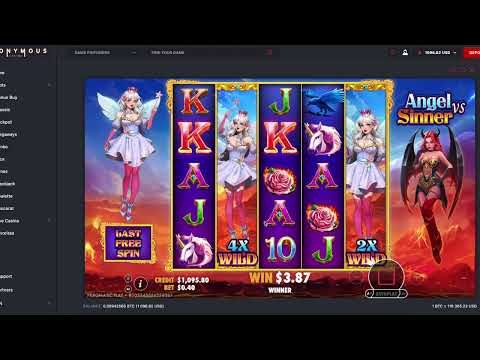
Slot Varieties with Built-In RNG Audits
Crypto casinos offer slot varieties where every spin is backed by provably fair RNG audits, allowing players to verify randomness directly. These slots include classic three-reel, video, and progressive jackpot formats, each embedding a cryptographic hash seed. Users can check the server seed and client seed before play, then confirm the result’s integrity afterward. This audit system eliminates trust reliance, as the RNG output is independently verifiable on the blockchain or through open-source scripts.
Sportsbook Odds and In-Play Betting Mechanics
In a crypto sportsbook, odds are presented in decimal, fractional, or American formats, with in-play betting mechanics allowing you to place wagers as a match unfolds. Live odds fluctuate dynamically based on real-time events, with crypto’s speed enabling instant slip updates. A typical sequence:
Understanding live odds movement is key—you react to momentum swings, not pre-game statistics.
Bonuses, Promotions, and Loyalty Programs
Crypto casinos often juice up their welcome bonuses with free spins or matched deposits paid instantly in Bitcoin or altcoins, so you can start playing without conversion delays. Promotions like weekly reloads or cashback on net losses are common, but always check the wagering requirements—they can be higher than on traditional sites. Loyalty programs here typically reward every wager with crypto tokens or tier points, unlocking faster withdrawals or exclusive VIP hosts. Quick Q&A: Q: Do loyalty points expire? A: Yes, most crypto casino programs set a 30-90 day inactivity window before points vanish, so log in regularly to keep your rewards active.
Welcome Offers and Wagering Requirement Nuances
In crypto casinos, welcome offers often mask high volatility through wagering requirement nuances. A 100% match bonus may seem generous, but if it carries a 50x wagering requirement on both deposit and bonus (e.g., wagering $5,000 to release a $100 bonus), the effective value plummets. Some offers also exclude crypto-specific games like provably fair slots from wagering contribution, while others cap maximum bet sizes during play. Q: Why do some welcome offers require wagering on the bonus amount only, while others add the deposit? A: The latter increases the total turnover needed, often making the bonus less valuable; always check whether the requirement applies to “deposit + bonus” or just the bonus, as this directly impacts your break-even probability.
Cashback Rewards and No-Deposit Incentives
Cashback rewards in a crypto casino give you a safety net by refunding a percentage of your net losses, often daily or weekly, using cryptocurrency. No-deposit incentives let you claim free spins or bonus crypto just for signing up—no initial payment needed. These offers let you explore games with zero financial risk. No-deposit crypto bonuses are a prime way to test a platform before committing funds. How do cashback and no-deposit offers work together? Typically, cashback softens your losses after wagering, while no-deposit bonuses provide a free starting bankroll; you can use both to extend your playtime without reloading.
VIP Tiers with Exclusive Tournament Access
For high rollers, crypto VIP tiers with tournament access unlock exclusive, high-stakes competitions unavailable to standard players. These private leaderboards often feature guaranteed prize pools paid instantly in Bitcoin or altcoins, with tiers like Platinum or Diamond granting entry to invite-only slots.
Q: How do I qualify for VIP tournament access?
A: Most casinos require a minimum monthly wagering threshold in crypto—often 10 BTC or equivalent—to unlock the top tier, which auto-enrolls you into exclusive events with reduced edge and enhanced rakeback.
Risk Management and Responsible Play
Crypto casinos demand stricter personal bankroll limits because volatile assets can swing wildly. Set a hard loss cap in fiat value, not just tokens, as a sudden dip might double your real-world loss. Always use the platform’s built-in deposit and session timers—they are your first line of defense against chasing losses. Remember that an anonymous blockchain transaction won’t protect you from your own tilt. Never gamble funds you can’t afford to lose entirely, and treat high-roller bonuses with extra caution, as they often require impossible wagering. Self-exclusion lists on reputable crypto casinos are immediate; use them the moment you feel out of control.
Setting Personal Limits on Deposit and Loss
Establishing personal deposit and loss limits is a core strategy for responsible crypto casino play. Before wagering, set a fixed maximum amount you are willing to deposit daily, weekly, or monthly, and a separate hard cap on losses you will accept per session. Unlike fiat sites, crypto’s volatility means your balance can erode faster, so limits must be lower. Most platforms allow you to set these controls in the account settings, making them binding for a chosen period to prevent impulsive overrides. Strict adherence prevents chasing losses and protects your bankroll from rapid depletion.
Identifying Problem Gambling Indicators Early
In a crypto casino, early problem gambling indicators often appear in quick spending patterns, like chasing losses with anonymous deposits. Watch for sudden increases in bet sizes or playing until your balance hits zero repeatedly. If you feel stressed between transactions or lie about time spent playing, that’s a red flag.
Tools for Self-Exclusion and Cooling-Off Periods
Effective crypto casinos offer self-exclusion and cooling-off tools to directly curb impulsive wagering. A cooling-off period temporarily suspends your account for a set duration, from hours to months, ideal for a short break without permanent commitment. In contrast, self-exclusion involves a longer, often irreversible block from both login and new account creation, using blockchain wallet addresses for enforcement. Most platforms integrate these controls directly into your account settings, requiring only a few clicks to activate with no explanation needed. For maximum effect, activate a cooling-off period immediately after a significant loss to enforce a mandatory pause, or use self-exclusion if you recognize a pattern of compulsive play.
| Feature | Cooling-Off Period | Self-Exclusion |
|---|---|---|
| Duration | 24 hours to 90 days | 6 months to permanent (site-wide) |
| Reversibility | Auto-lifts after period ends | Typically irreversible until term expires |
| Wallet Targeting | Account-based | Often enforced via linked crypto addresses |
Trends Shaping the Future of Digital Betting
The future of digital betting in crypto casinos is being shaped by provably fair algorithms replacing traditional RNGs, giving players direct verification of each outcome via blockchain hashes. Smart contracts automate instant payouts without custodial risk. A key trend is the integration of decentralized identity to allow anonymous, self-sovereign wagering without KYC delays. In-play betting now leverages oracles for real-time sports data on-chain, with settlements executed within blocks.
This eliminates chargebacks and unifies liquidity across global pools, offering frictionless, trustless gameplay previously impossible in fiat systems.
Expect wallet-based sessions that track holistic performance metrics, not just balance, while multi-chain bridges expand available assets beyond Bitcoin to Solana and Polkadot for lower fees and faster finality.
Metaverse Integration and Virtual Reality Casinos
Metaverse integration transforms crypto casinos into persistent 3D worlds where users navigate with avatars and crypto wallets. Virtual reality casinos immerse players in immersive crypto gambling arenas where bets settle on-chain via smart contracts. A clear sequence occurs: first, avatar customization using NFTs for identity; second, entering VR tables where provably fair dice rolls or card shuffles are visually rendered; third, instant payouts via connected wallets. Players physically gesture to place chips, spin slots, or interact with dealers, with every action cryptographically signed. This spatial betting environment eliminates abstract interfaces, replacing them with tangible, blockchain-verified game physics.
Regulatory Shifts in Major Markets Worldwide
Regulatory shifts in major markets worldwide force crypto casino operators to implement geolocation verification that blocks access from restricted jurisdictions. Real-time compliance tools now automatically adjust game offerings and payment methods based on a user’s detected location, such as disabling certain token withdrawals where local crypto transaction bans apply. Players must verify their IP address and residency documents before any withdrawal to satisfy evolving know-your-customer rules. A shift from self-regulation to statutory oversight means that even decentralized platforms now integrate third-party audits for provably fair algorithms, directly affecting wagering limits and dispute procedures.
Major market regulatory changes compel crypto casinos to enforce location-based access restrictions, adjust payment methods per jurisdiction, and adopt mandatory KYC and audit protocols that alter user betting limits and dispute resolution processes.
Impact of Decentralized Finance (DeFi) on Wagering
DeFi integration fundamentally alters wagering mechanics by replacing house-managed pools with smart contracts that autonomously escrow and settle bets. This eliminates counterparty risk, as winnings are instantly distributed via immutable on-chain logic rather than relying on casino solvency. Liquidity pools allow players to directly fund betting markets, earning yields from their deposits while enabling peer-to-peer wagers without an intermediary margin. Staking leverage from DeFi protocols lets users borrow against crypto holdings to increase bet exposure, though liquidation risks apply. Yield-bearing collateral means idle wager funds can accrue interest within the betting contract itself.


